Compare platform and non-platform stiletto sandals using two measurements: the heel height at the back and the rise under the front of the foot. A front platform reduces the difference between those heights. It does not make the rear heel shorter or guarantee that the sandal will feel comfortable.
Before buying, read the measurements for the exact style and option you have selected. A tall-looking platform can have a smaller rear-to-front difference than a thinner-soled sandal, while two pairs with the same advertised heel height can put the front of your foot at quite different heights.
What Is the Difference Between Platform and Non-Platform Heels?
A platform sandal has a noticeably raised sole beneath the forefoot. A non-platform sandal has an ordinary, thinner front sole. Both can have a stiletto heel: “stiletto” describes the slender heel shape, while “platform” describes the raised front sole.
That distinction matters when browsing. Searching for platform heels versus stilettos can suggest you must choose one or the other, but a sandal can be both. First identify the front sole, then look at the heel shape and the actual measurements.
- Platform stiletto: A raised front sole paired with a slender heel at the back.
- Non-platform stiletto: A thinner front sole paired with a slender heel at the back. The front sole still has some thickness.
- Heel height: The seller’s stated measurement at the rear. Read how the seller defines it before comparing pairs.
Read Heel Height and Platform Height Separately
A listing that gives a 12 cm heel and a 3 cm platform normally identifies two separate dimensions. You would not add them together and call it a 15 cm heel. Check whether the stated heel measurement is the full rear height or whether the seller has already described a net or effective height.
The Zappos measurement guide treats heel and platform height separately. It also explains that a platform can be hidden by material covering its outside. A smooth side view alone cannot tell you whether the front sole is thin.
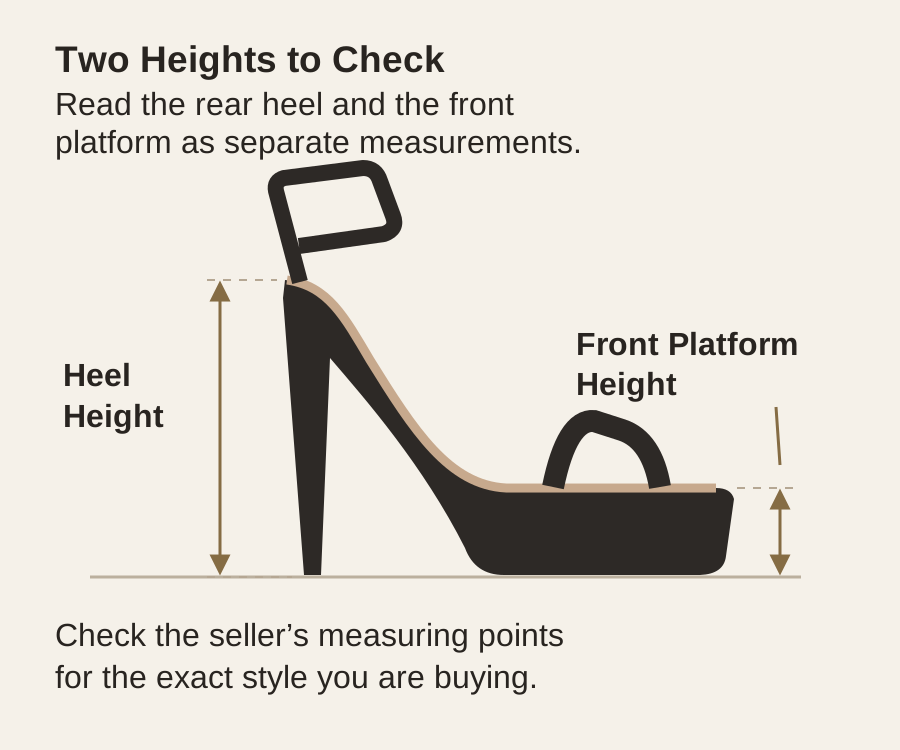
Look for the measurement method as well as the number. Nordstrom’s heel-measurement guide, for example, measures up the center side of the heel to where it meets the sole. Follow the convention stated for the particular listing rather than assuming every shop uses identical reference points.
Use Effective Rise as a Rough Comparison
When both measurements use comparable reference points, subtracting the front rise from the rear height gives a useful approximate difference. Here, “effective rise” means that rear-to-front height difference:
Approximate effective rise = rear heel height − front platform or sole height.
Consider two hypothetical sandals, each with a 12 cm rear heel measurement:
- Platform example: A 3 cm front platform leaves an approximate 9 cm difference: 12 − 3 = 9.
- Non-platform example: A 0.5 cm thin front sole leaves an approximate 11.5 cm difference: 12 − 0.5 = 11.5.
These example dimensions show why the front rise matters even when the rear heel numbers match.
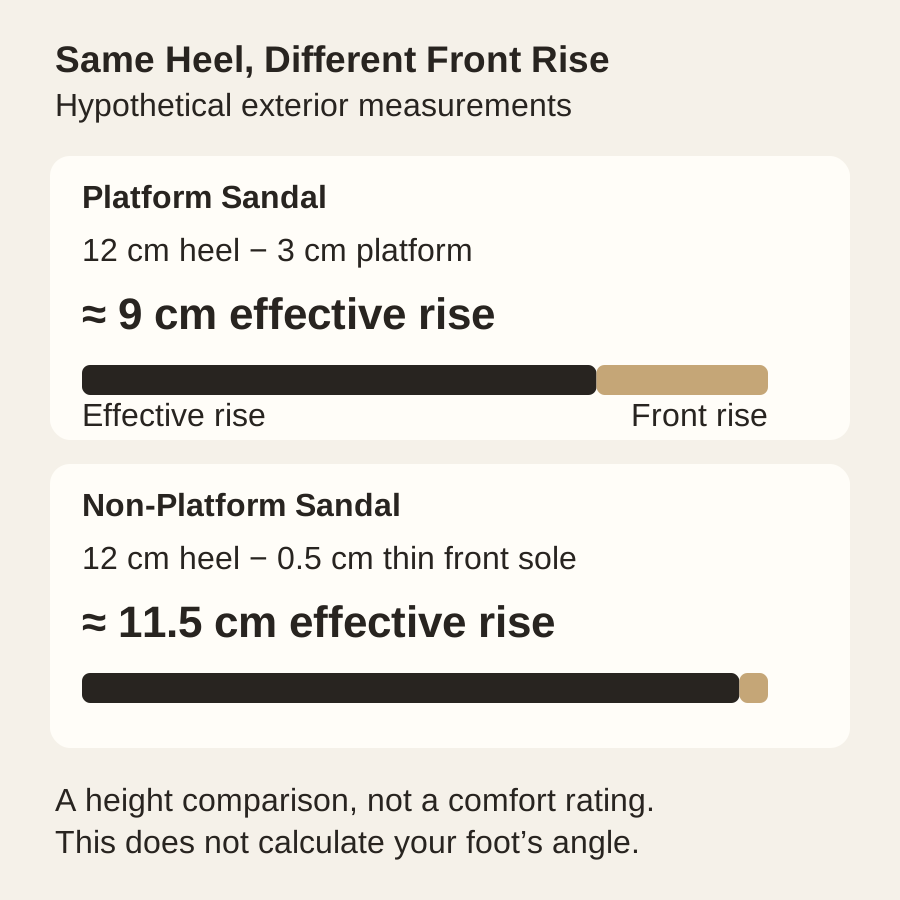
This subtraction gives a height difference, not an angle in degrees. Shoe length, the shape of the footbed and where the measurements are taken also matter. The result cannot calculate your precise foot position or tell you that one pair will feel identical to a lower, non-platform heel.
If the seller already provides an effective or net height, check its definition before subtracting anything. Otherwise, you could deduct the platform twice.
Check the Actual Product and Selected Option
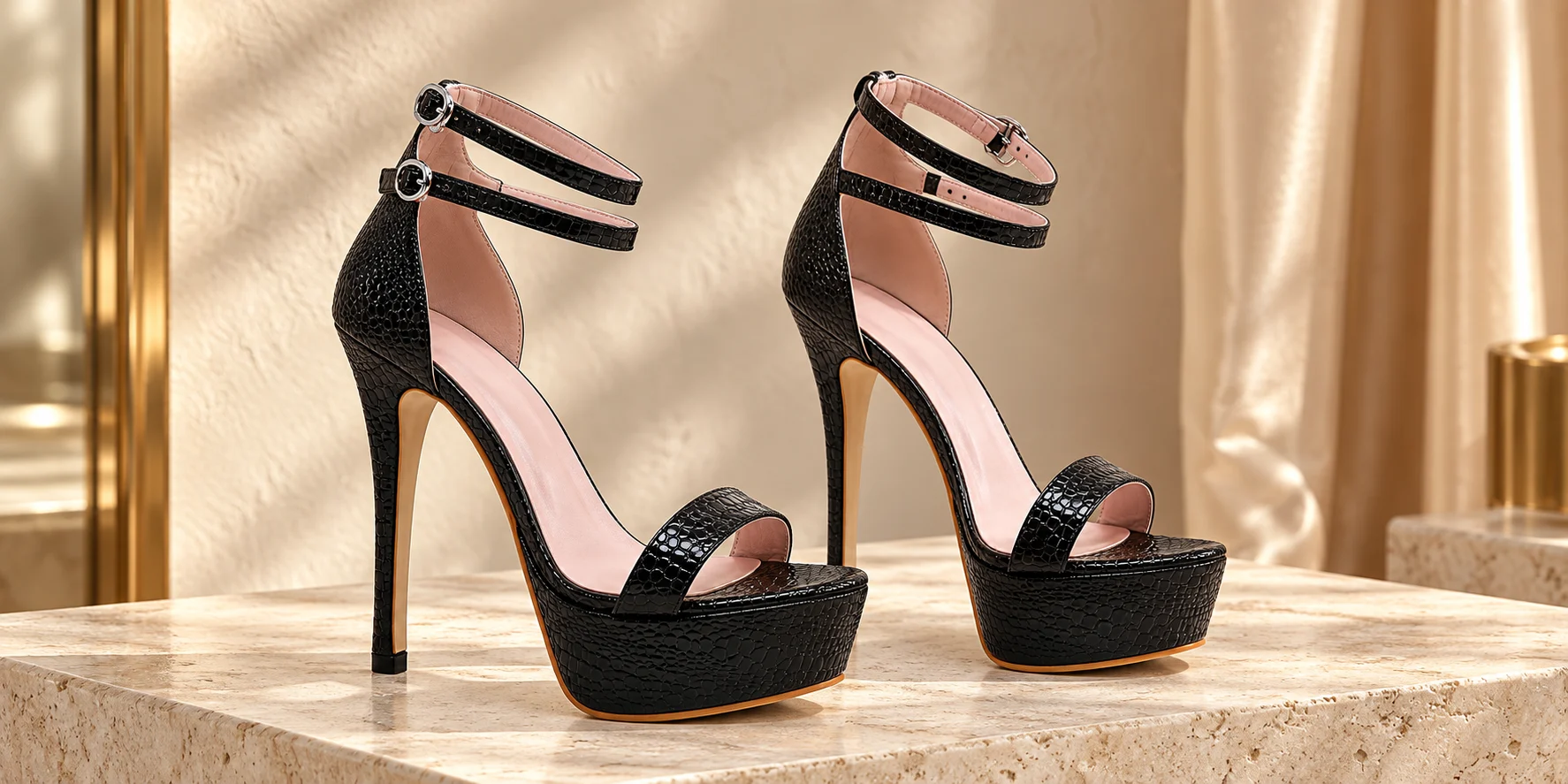
The Syncreas Double-Buckle Platform Stiletto Sandals list a supplier-stated 14 cm heel and 5 cm platform. Subtracting those stated figures produces a rough 9 cm difference. This is a comparison based on the supplied dimensions; it does not establish how the shoe will feel on your foot.
A different kind of detail appears on the Crystal Fan-Strap Stiletto Sandals, which offer 7 cm and 10 cm heel options. Check the selected heel option as carefully as the selected size. A product name or thumbnail may not tell you which option is in your cart.
Do not estimate a missing platform measurement from a photograph. Camera angle, perspective and a curved toe can make the front sole look taller or thinner. If a listing says only “high heel” or gives a broad height category, ask for the rear height, front rise and measurement method before relying on a numerical comparison.
Compare the Whole Sandal Before Choosing
The calculation helps you read a listing. Your buying decision also needs to account for the rest of the shoe and the plans you have for it.
- Keep the overall height in view. A platform raises the forefoot, but the shoe still has its full rear height. Consider the steps, uneven paving and other surfaces you expect to encounter.
- Check how the foot sits in the sandal. During a permitted indoor try-on, look for forward sliding, toes spilling over the front, or straps that press uncomfortably. Stop if the shoes hurt or feel unstable.
- Compare with a pair you already know. Note its rear height, front sole thickness and shape. Use it as a personal reference, without assuming another shoe with similar numbers will feel the same.
- Read the exact size guide. A preferred heel height does not determine your shoe size. Use the chart for that product, with our guide to measuring your feet for sandals as a starting point. Check the returns policy before ordering or trying the pair on.
If you already know you prefer a lower heel, start with a lower listed rear height. Avoid choosing a much taller platform solely because the subtraction produces a familiar number. There is no universal effective-rise figure that guarantees an easy fit or comfortable wear.
Quick Heel Height Questions
Does Heel Height Include the Platform?
A listing commonly gives the rear heel height and front platform height separately. Do not add them together. Check the seller’s definition, especially if it uses terms such as “net height,” “effective height” or “pitch.”
Are Platform Heels Always Easier to Wear?
No. A raised front sole can reduce the rear-to-front height difference, but the shoe’s fit, shape, overall height and your experience with it still matter. The platform label alone cannot predict comfort.
Can a Platform Sandal Have a Stiletto Heel?
Yes. A raised front platform and a slender stiletto heel can appear on the same sandal. Read both features separately when comparing styles.
What Should I Ask If the Measurements Are Missing?
Ask for the rear heel height, front platform height, units, measurement method and the size or option measured. Those details make a comparison more useful than guessing from the product photo.