Store strappy heels only after they have aired and dried, give each shoe its own protected space, and arrange the straps without tension. Keep buckles and embellishments away from delicate uppers, then place the pair in suitable dust bags and a roomy box in a cool, dry spot away from direct sunlight.
The useful question is not simply “box or shelf?” It is what touches what once the shoes are put away. A crystal buckle pressed against satin, a tie caught under a heel or a lid pushing down on an ankle strap can defeat an otherwise tidy storage arrangement. Start with the care instructions for your particular pair; the checks below help you plan the space around them.
Let the Shoes Air Before Packing Them
After wearing the sandals, set them apart from one another while you check their condition. Do not close damp shoes in a bag or box. Manolo Blahnik’s shoe-care guidance recommends ventilation before storage and natural drying away from direct heat if its shoes become wet.
Look at the straps, lining and soles as well as the upper. If you find a stain, first identify the material and look up the maker’s cleaning directions. “Satin,” “PU” and “rhinestone trim” describe different parts of a shoe; a method suitable for one part may not suit the parts beside it. Do not turn storage preparation into an experiment with water, polish or a household cleaner.
For a pair that needs more than light surface-dust removal, ask the seller or a shoe-care specialist about that exact material and finish. There is no useful universal drying time: check that the pair is dry before enclosing it, rather than treating a fixed number of hours as a guarantee.
Keep Hard Decorations Away from Delicate Uppers
Turn each sandal slowly in your hands and identify the contact points: the buckle, the back of a decorative setting, the heel tip and any raised trim. Now imagine the two shoes moving slightly inside their storage space. Which of those parts could press against the other shoe?
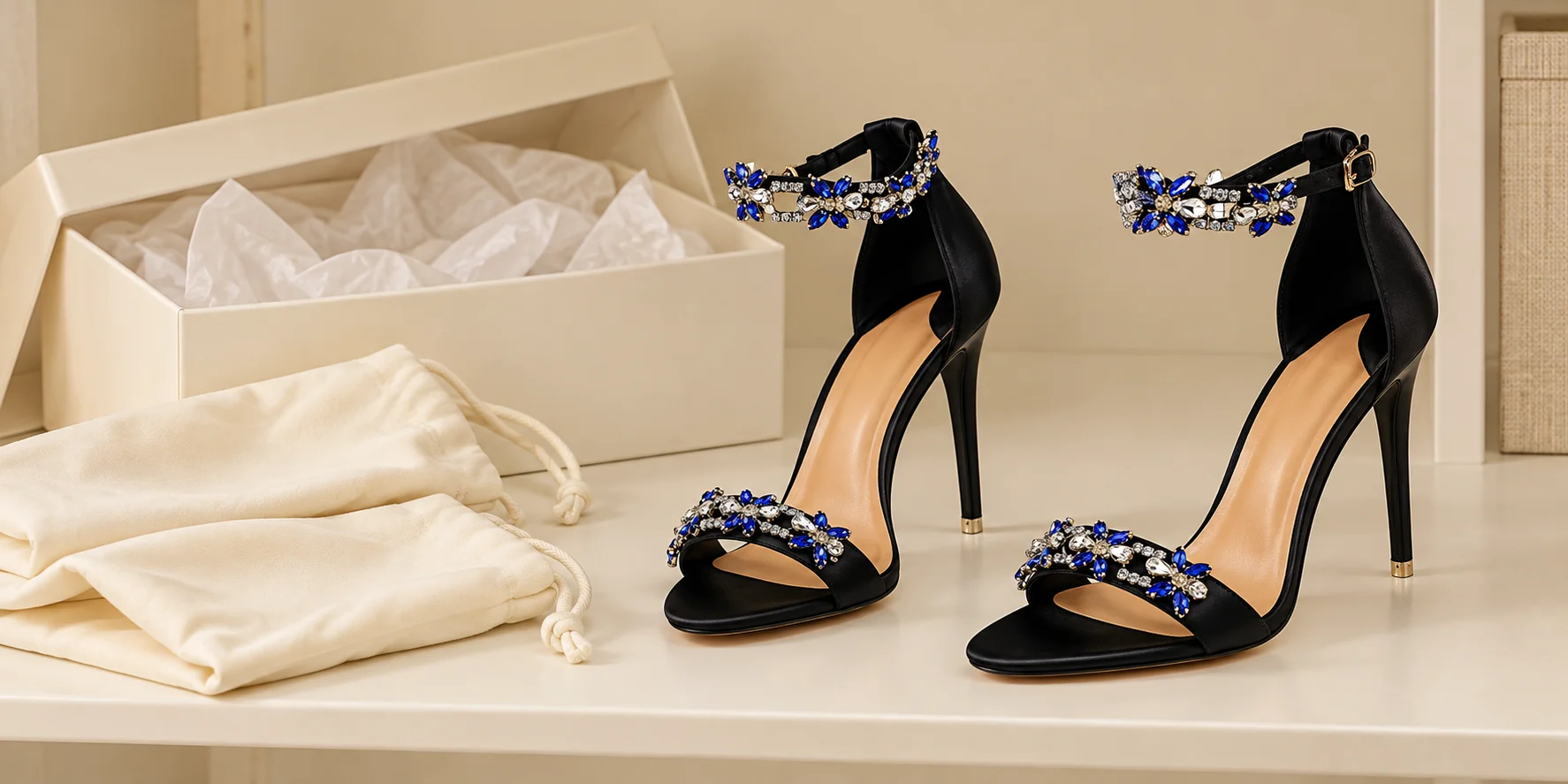
Manolo Blahnik specifically cautions that crystals and surrounding hardware can snag, scratch or tear delicate upper material. Its satin guidance says to position the shoes so that crystals do not touch the fabric. This is why putting an embellished pair into one shared bag without checking the arrangement is not enough.
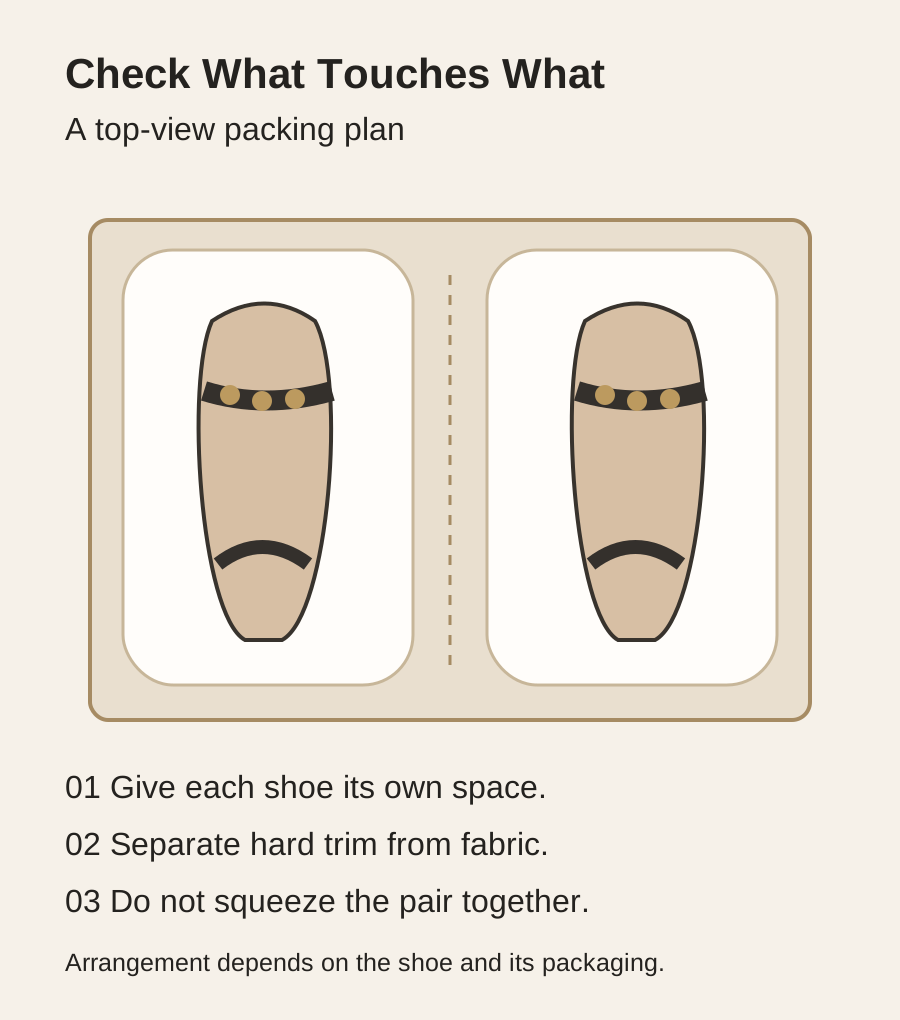
Use the original protective packaging where it is suitable and intact. Jimmy Choo’s shoe-care advice also calls for protective packaging around delicate embellishments and metal hardware. Separate soft bags or a carefully placed tissue barrier can help keep the pair apart; neither should be pulled so tightly that it presses a decoration into the shoe.
The Rhinestone Ankle-Strap Stiletto Sandals illustrate the combination to look for: their details list a satin upper and rhinestone embellishments at the front and ankle straps. That describes where to pay attention when packing them. It does not establish that every cleaner labeled for satin is suitable for this pair.
Arrange Straps and Ties without Pulling Them Tight
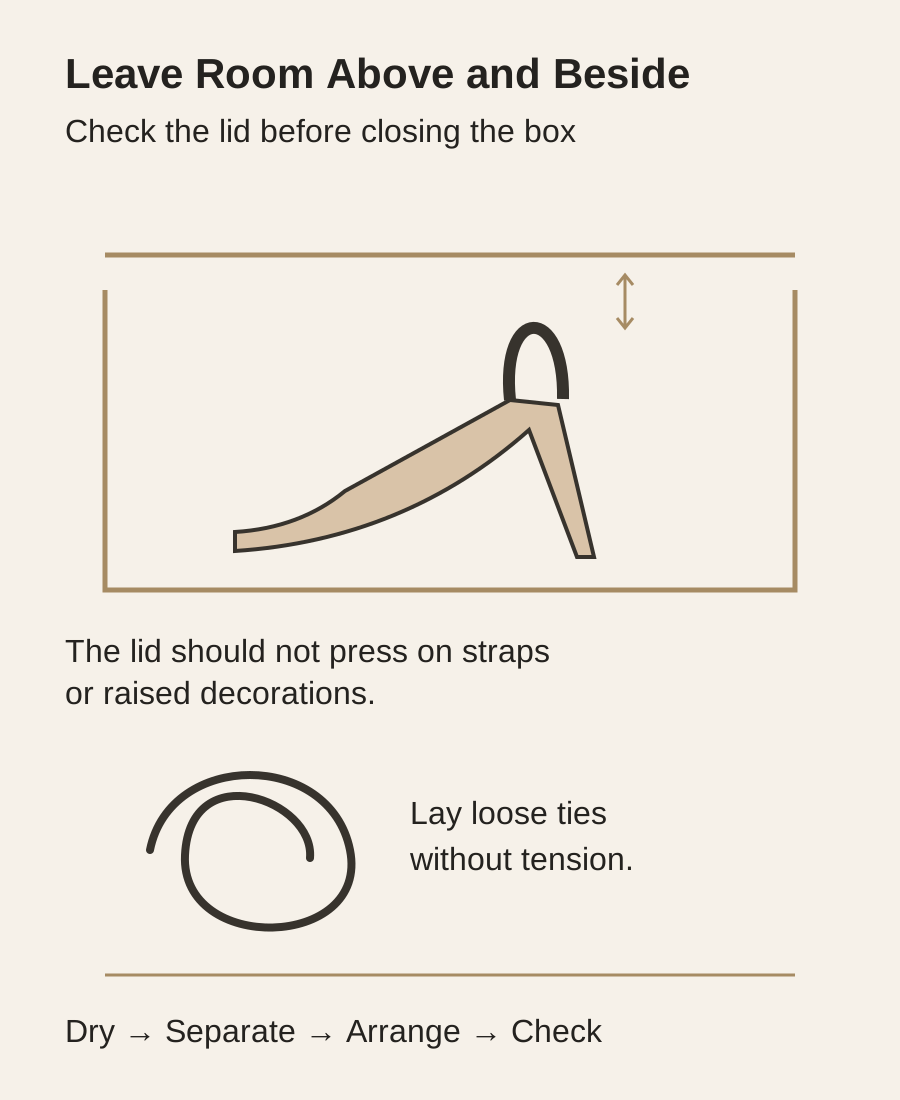
Thin straps do not need to stand upright like a display shoe. Let them rest in their natural shape rather than fastening them around a bulky wad of packing material. If a strap is being sharply folded or pushed outward, rearrange the space instead of adding more stuffing.
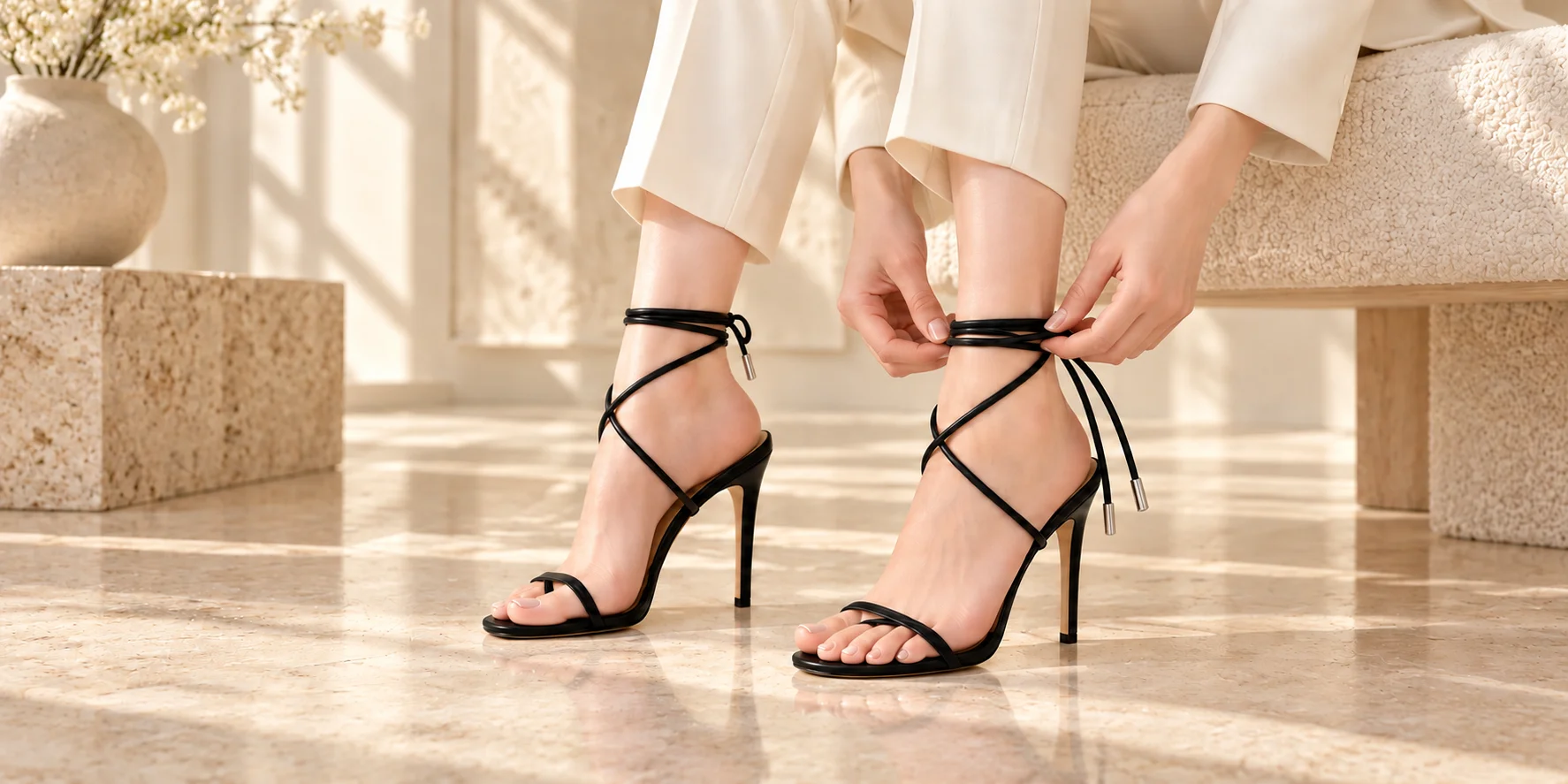
For long lace-up ties, try laying each shoe’s free ends in loose curves beside that shoe. Keep the tips away from the upper and clear of the box edge. Do not use a tight knot around the pair as a storage fastener. This is a practical way to keep loose ends organized, not a prescribed tying pattern or a claim that it will restore an already creased strap.
The Wraparound Lace-Up Stiletto Sandals have long ankle ties, so allow space for those ends as well as the shoe itself. When you next wear them, follow the shoe’s intended arrangement rather than treating the storage loops as a fastening. Our lace-up heel guide covers the separate task of tying and checking them on your foot.
Choose the Container Around the Shoe
A dust bag, a box and a shelf serve different purposes. Decide which arrangement leaves the sandal undisturbed when you put it away and retrieve it.
- Dust bags: Choose a clean, soft bag with enough room to slip over the shoe without dragging across raised trim. Keep the pair separated inside any larger shared container.
- Boxes: The original box is a useful starting point if it still fits the pair with its protective packaging. Set the lid on gently. If it presses down on straps or ornaments, rearrange the contents or use a roomier box.
- Shelves: Leave room beside each shoe and above the ankle straps. Avoid a position where pulling out a neighboring pair catches a buckle or tie. A covered box may be easier to manage for occasional-wear embellished shoes.
Do a simple retrieval test before calling the arrangement finished: can you lift out either shoe without pulling a tie, brushing an ornament against the other upper or moving a pile of loose shoes? If not, give the pair more room. A label on the outside of a box can save you from repeatedly unpacking it to find the right color or style.
Keep the storage location cool and dry, out of prolonged sunlight, heat and moisture, consistent with Jimmy Choo’s general care guidance. A box does not make a damp or hot location suitable. Check stored pairs periodically, especially if the storage conditions have changed.
Check the Pair Before Its Next Outing
Unpack the shoes individually and remove all protective material. Look for loose embellishments, damaged straps, a buckle that no longer operates normally or a worn heel tip. Do not pull a loose ornament to test how firmly it is attached; ask the seller or a suitable repair specialist what to do next.
Then check the pair on both feet before committing to your plans. Good storage cannot correct a poor fit or repair wear. The aim is simpler: put the shoes away dry, keep their delicate and hard parts from catching each other, and leave enough room that retrieving them does not create the very damage you were trying to avoid.